The National Aviation Hall of Fame on Monday announced its Class of 2027 inductees at the National Business Aviation Association Business Aviation Convention Exhibition (NBAA-BACE) in Las Vegas, with this year’s group of six honorees including aerospace engineers, an inventor, an air racer, and an astronaut.
Since 1962, the NAHF has been recognizing aerospace trailblazers by enshrining them in its Hall of Fame. According to the organization, those chosen “underscore the NAHF’s enduring mission to honor America’s aerospace legends and inspire future leaders.”
The official induction ceremony will be September 24, 2027, in Dayton, Ohio.
- READ MORE: Skyhawk VR Simulator Coming to NBAA-BACE
- READ MORE: New Statue Commemorates WWII ‘Triple Ace’ at Oshkosh
Here’s a rundown of the Class of 2027:
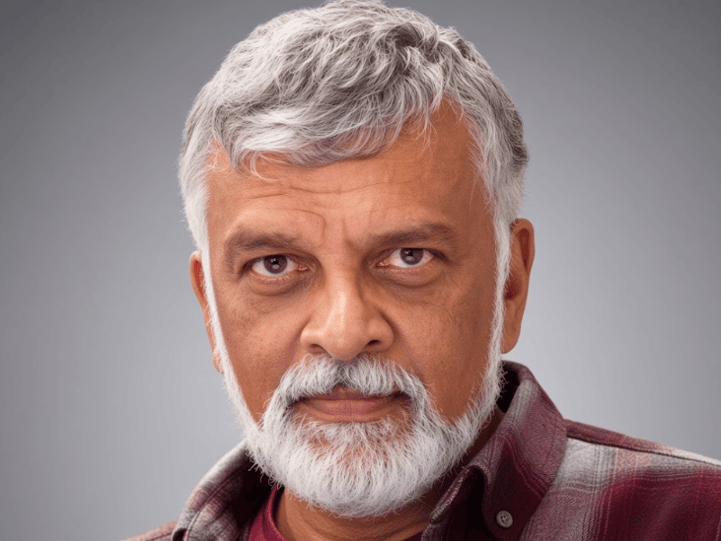
‘Bob’ Balaram [Credit: NAHF]
J. “Bob” Balaram
A visionary aerospace engineer and NASA innovator, Balaram made history with Ingenuity, the first aircraft to achieve powered, controlled flight on another planet. He also was the originator and chief engineer of the Mars helicopter project at NASA’s Jet Propulsion Laboratory (JPL) and helped open a new era of planetary exploration.
Balaram’s career spans nearly 40 years, with much of that spent on projects to enhance the exploration of Mars. He advanced Mars rover technology, robotic systems, and entry, descent, and landing simulations used on multiple NASA missions. His groundbreaking contributions continue to shape the future of aerospace innovation and extraterrestrial flight.
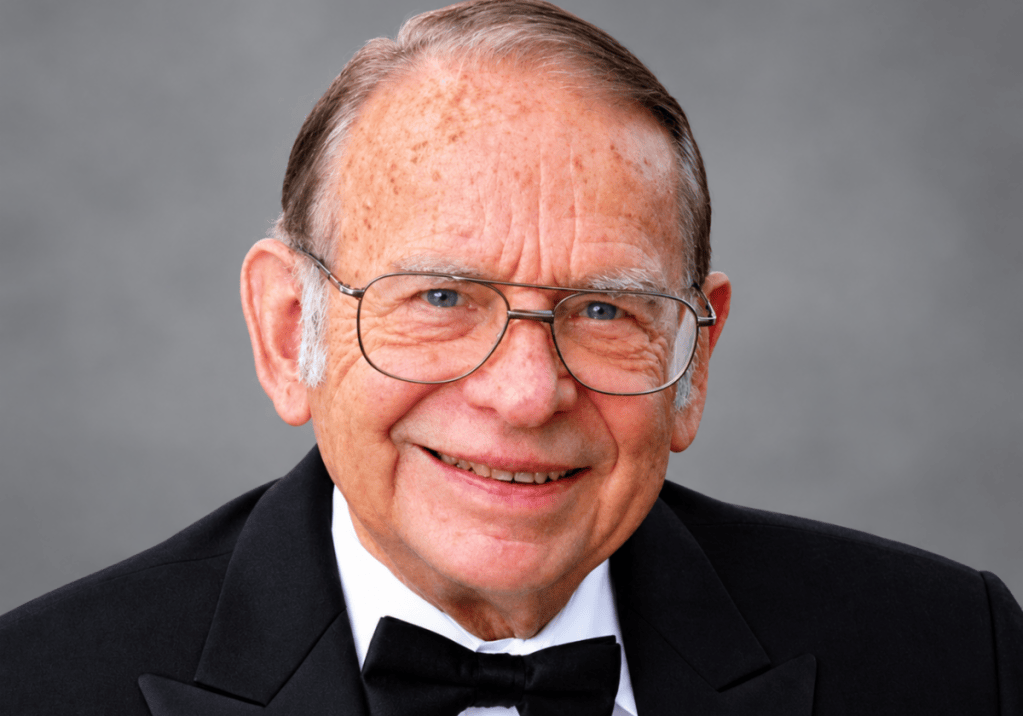
Vernon Estes
Vernon Estes is an innovator, inventor, and entrepreneur in the world of model rocketry. Estes founded Estes Industries in 1958 and invented “Mabel,” an automated machine that enabled the mass-production of safe, affordable model rocket engines.
This made model rocketry widely accessible, and soon millions of junior scientists were sending models into the sky, many went on to pursue technical careers in science, engineering, aviation, and space exploration. His innovations established model rocketry as a lasting educational tool and launched a hobby that continues to influence future aerospace leaders.
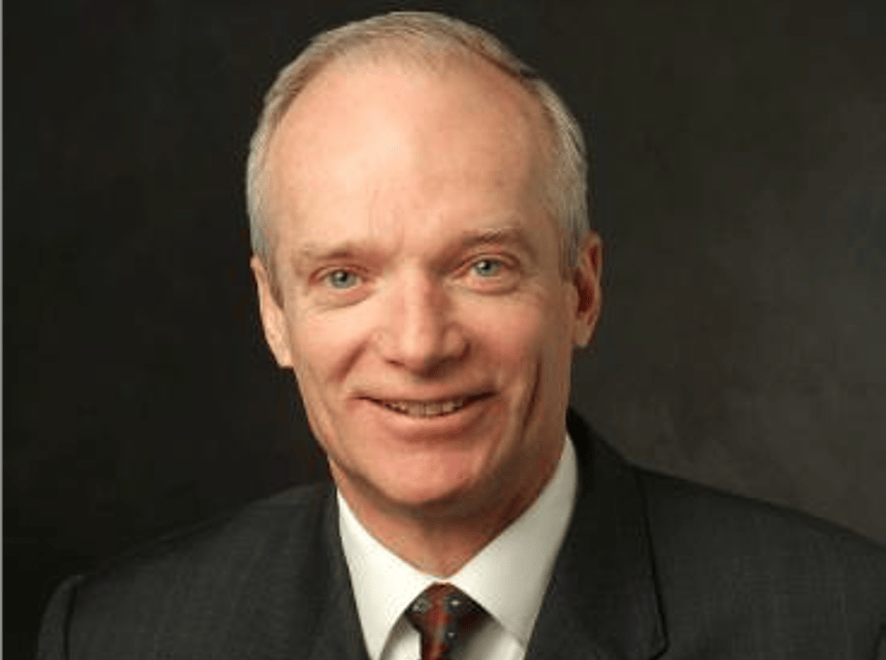
Charles Precourt
Precourt is a decorated Air Force veteran, former NASA chief astronaut, test pilot, and aerospace leader whose career has driven human spaceflight, and fostered international cooperation and aviation safety.
Precourt boasts more than 13,000 flight hours in over 100 aircraft types, including four space shuttle missions. He was the pilot of the shuttle Atlantis during the first e docking with Russia’s Mir space station.
He later served as chief of the NASA Astronaut Corps, overseeing the selection, training, and mission readiness of shuttle and International Space Station crews.
A U.S. Air Force test pilot and retired colonel, he led major aerospace propulsion programs at Northrop Grumman supporting NASA and national defense. Precourt serves on the board of the Experimental Aircraft Association (EAA) and NBAA. He is also the chairman of the Citation Jet Pilots Safety and Education Foundation, a post he uses to continue to promote safety throughout business and general aviation.
Steven Udvar-Hazy
Udvar-Hazy is an aviation entrepreneur and philanthropist who transformed the economics of commercial flight and reshaped the global airline industry. His vision has profoundly influenced how the world finances, designs, operates, and experiences commercial aviation.
Udvar-Hazy is credited with pioneering modern aircraft leasing. In 1973, he co-founded International Lease Finance Corp., creating new opportunities for airlines around the world to acquire and operate modern aircraft that influenced generations of airliner designs and fleet development. He later founded Air Lease Corp., which also helped advance commercial aviation.
Udvar-Hazy is an accomplished pilot with more than 11,000 flight hours. He is also known for his commitment and efforts to preserve and share aerospace history, which include transformational support for the Smithsonian’s National Air and Space Museum’s Steven F. Udvar-Hazy Center.
Two of the inductees are being honored posthumously:
Neal Vernon Loving
Loving (1916-1998) is being honored as a groundbreaking aeronautical engineer and aircraft designer as well as being the first African American and double amputee to compete as an air racer.
Loving was born on February 4, 1916, and grew up in Detroit then settled in Yellow Springs, Ohio. In 1944 a glider accident resulted in the loss of both legs, but that didn’t stop him from pursuing aviation.
He returned as an aircraft designer, creating the midget racer Loving’s Love, and became the first African American certified to race airplanes. He also helped establish an all-Black Civil Air Patrol squadron, and in 1946 he co-founded the Wayne School of Aeronautics at Wayne County Airport, now known as Detroit Metropolitan Wayne County Airport (KTDW).
The school was designed to help Black aviators, many of whom were using the GI Bill, to receive an education and follow their dreams. Loving earned a college degree and pursued a long career in aerospace research.
Loving is remembered as a person who through ingenuity, determination, and a lifelong devotion to flight challenged barriers of both race and disability while demonstrating what was possible in aircraft design, engineering, and aviation.
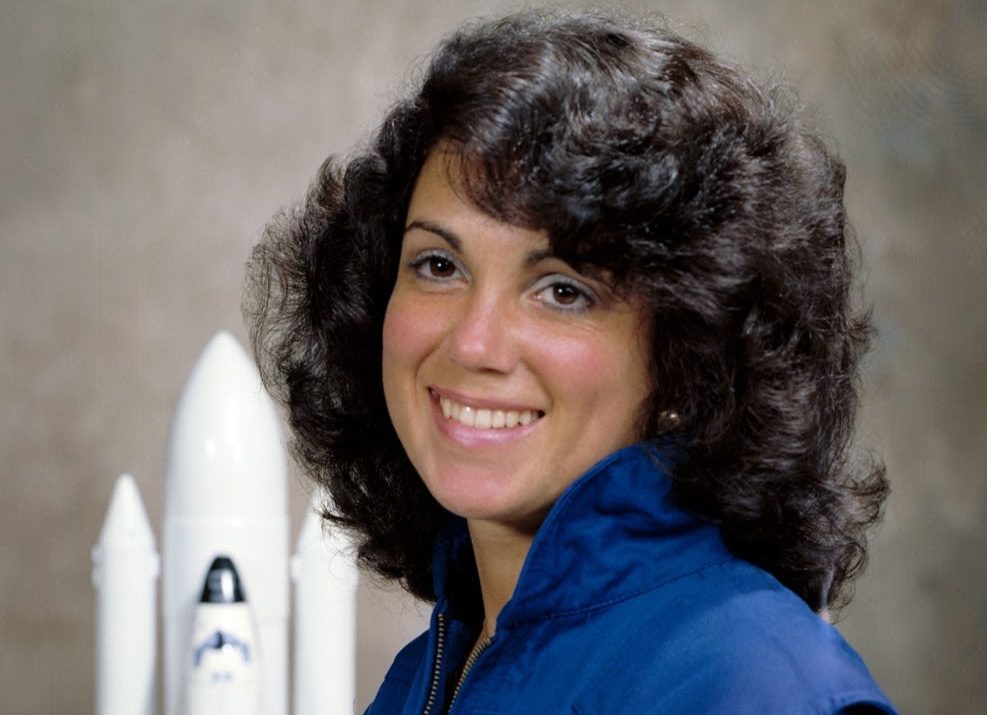
Judith Resnik
Resnik was one of the first six women selected in NASA’s 1978 astronaut class. Born April 5, 1949, she was an engineer with multiple degrees and a pilot when selected for the NASA Astronaut Corps at the age of 28.
Resnik became the second American woman to fly in space when she served as a mission specialist aboard the maiden flight of space shuttle Discovery in 1984.
An accomplished electrical engineer with a doctorate from the University of Maryland, she contributed to spacecraft systems, software, and operation of the shuttle’s robotic arm. She logged 145 hours in orbit.
Resnik was killed in the explosion of the shuttle Challenger on January 28, 1986, but her brilliance, courage, and pioneering achievements remain an enduring part of America’s spaceflight legacy.
“We are grateful to the NAHF Board of Nominations for putting forward such a distinguished group of nominees,” said Aimee Maruyama, president and CEO of the National Aviation Hall of Fame, in a news release. “Each year, we recognize inductees whose achievements have shaped history and continue to inspire future generations from the entrepreneurial vision that advanced model rocketry and commercial air travel to the engineering breakthroughs that carried us to new frontiers in aviation and space exploration, this class is extraordinary in every way.”